
NDC Hosts Media Seminar On Crisis Management and Public Speaking
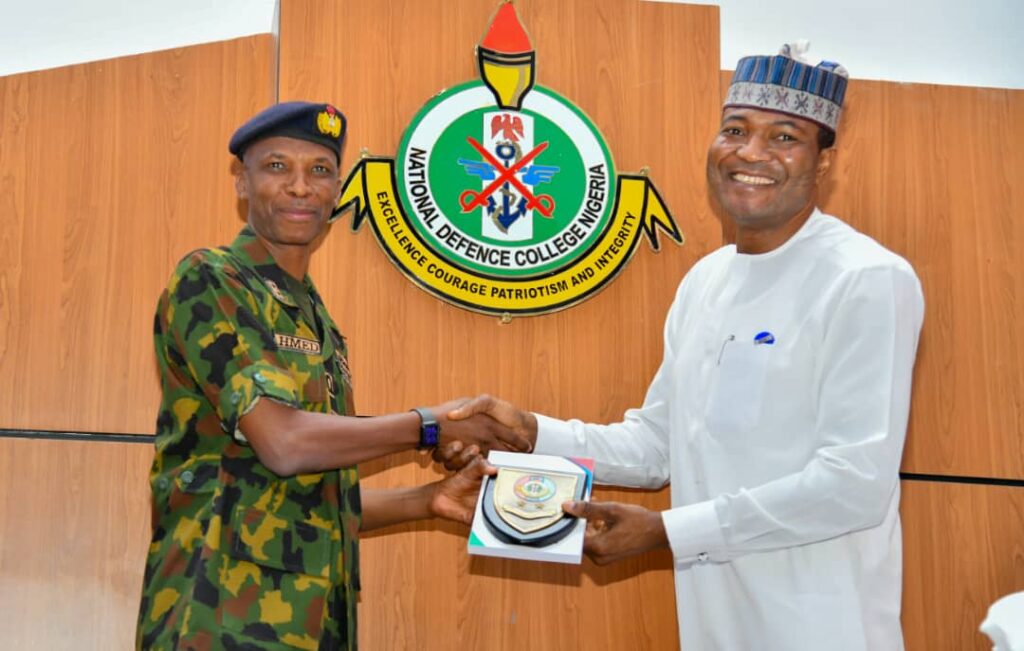
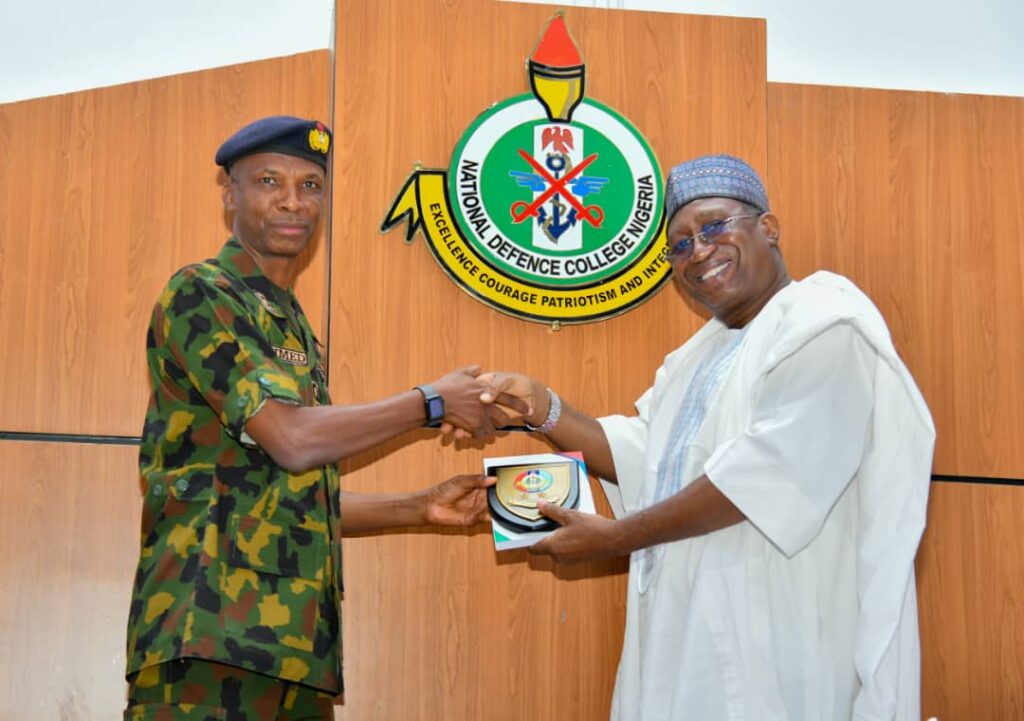
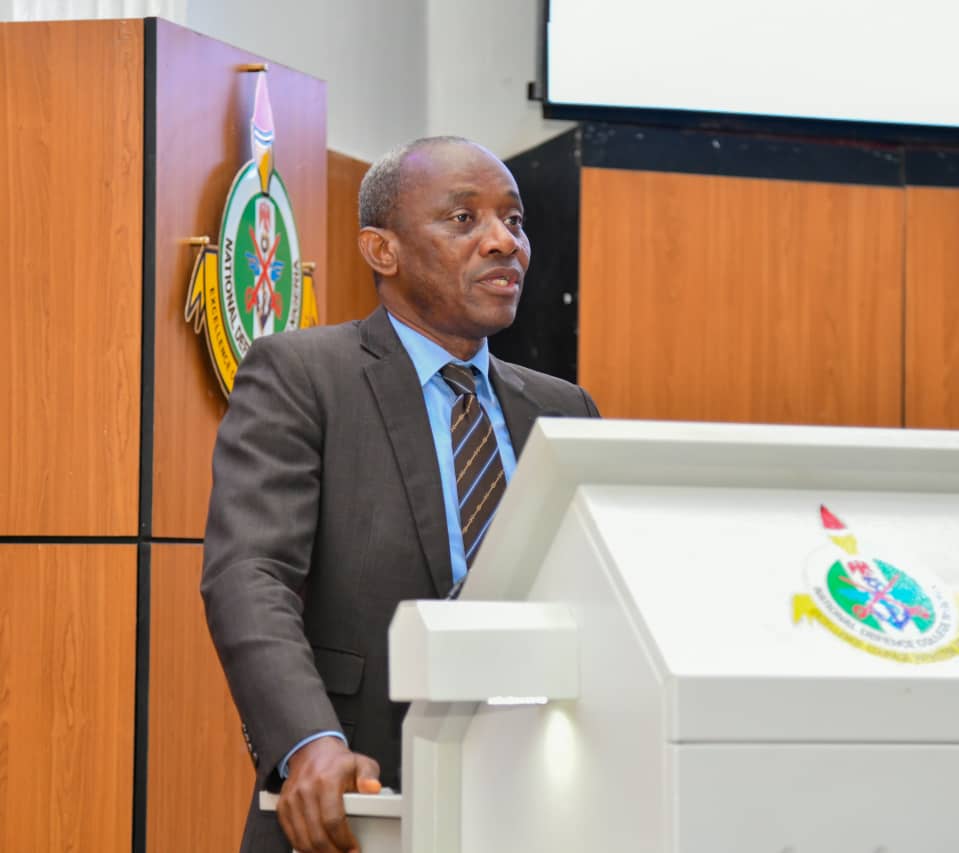
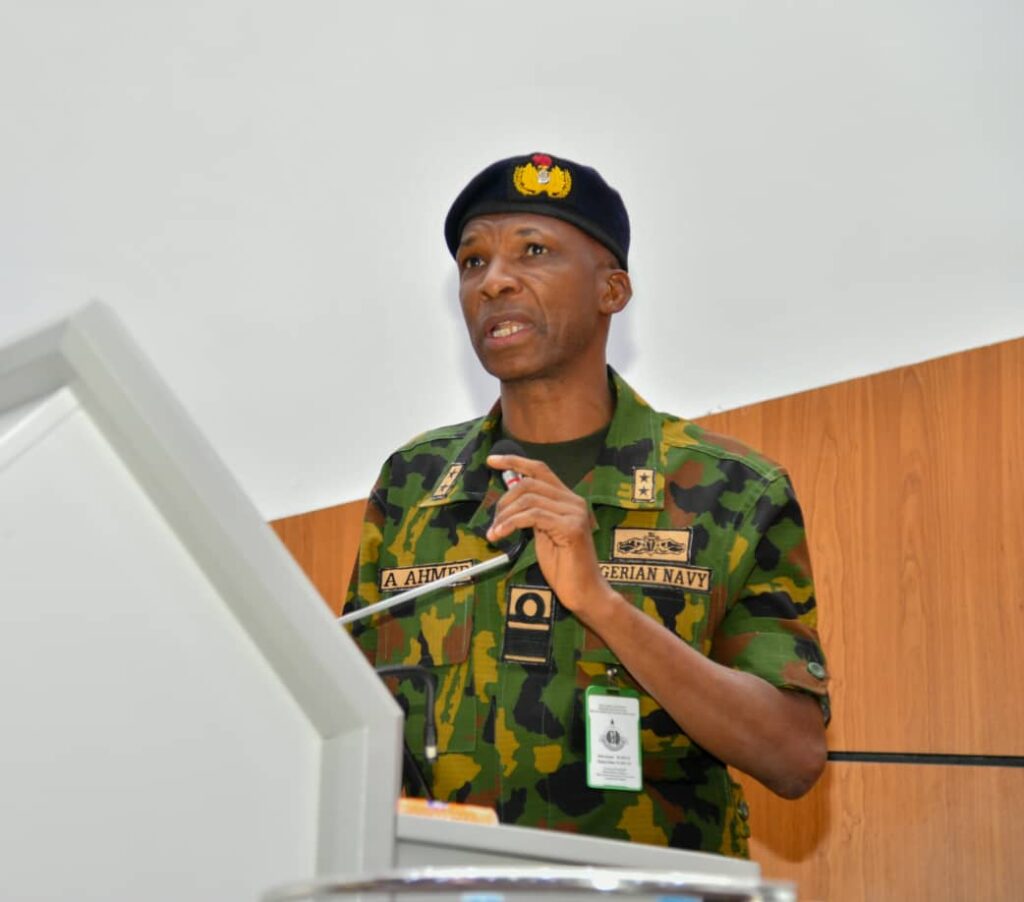
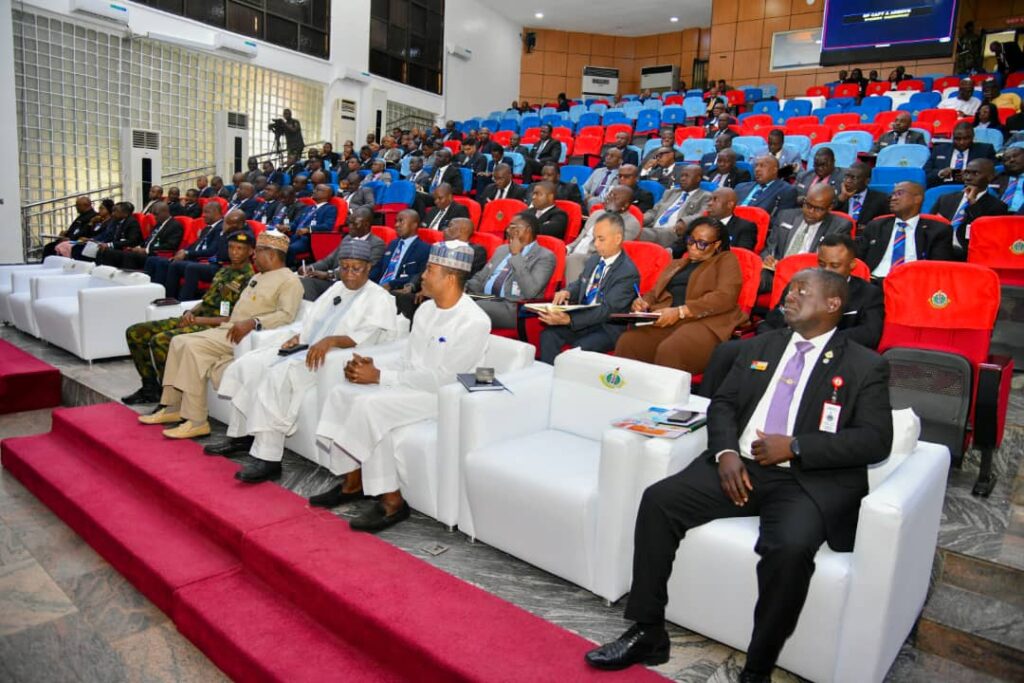
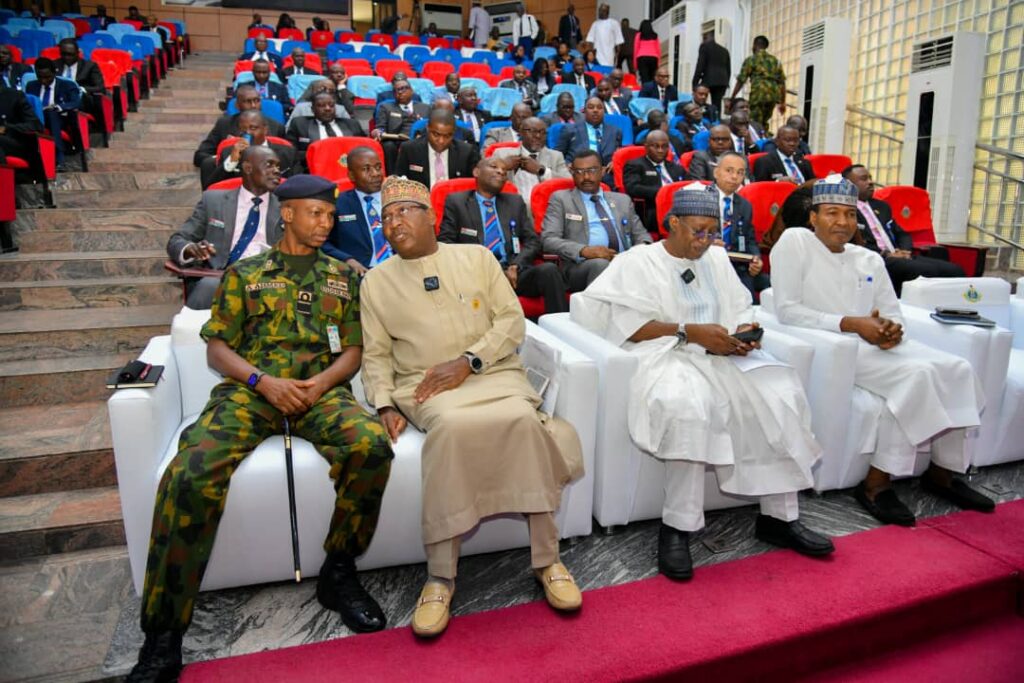
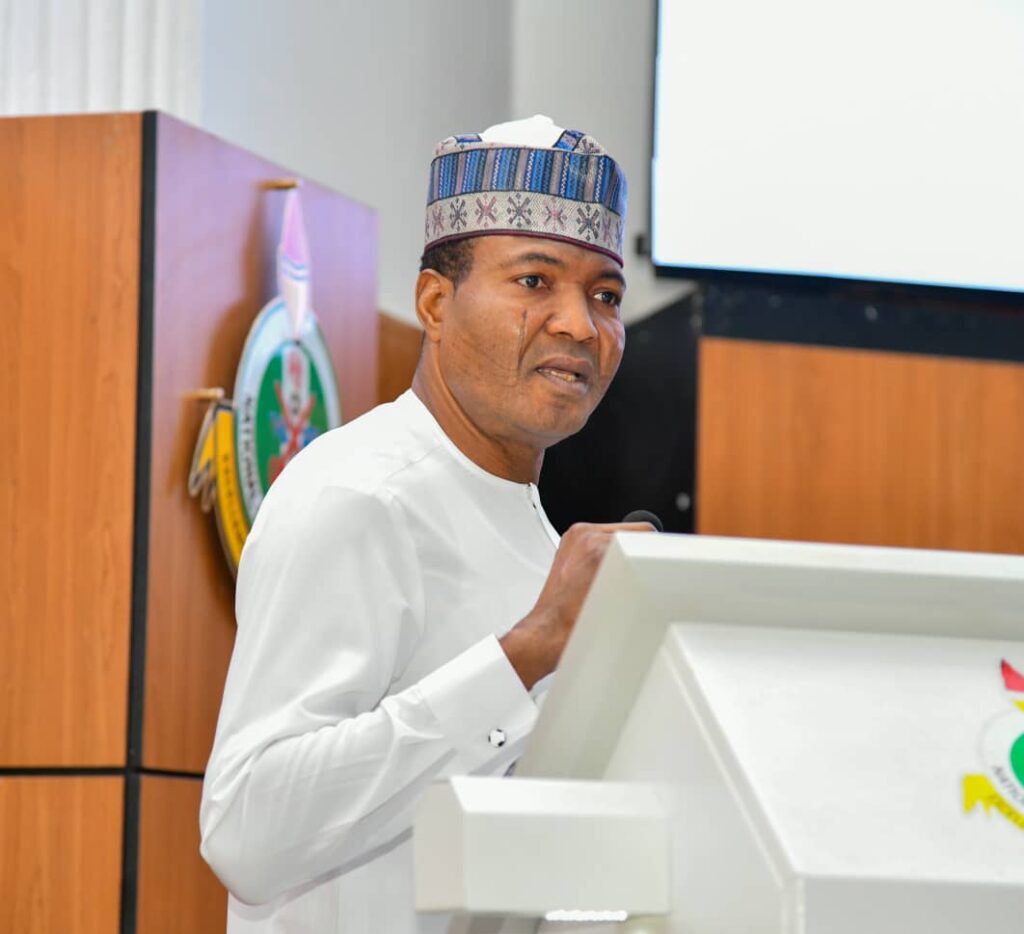
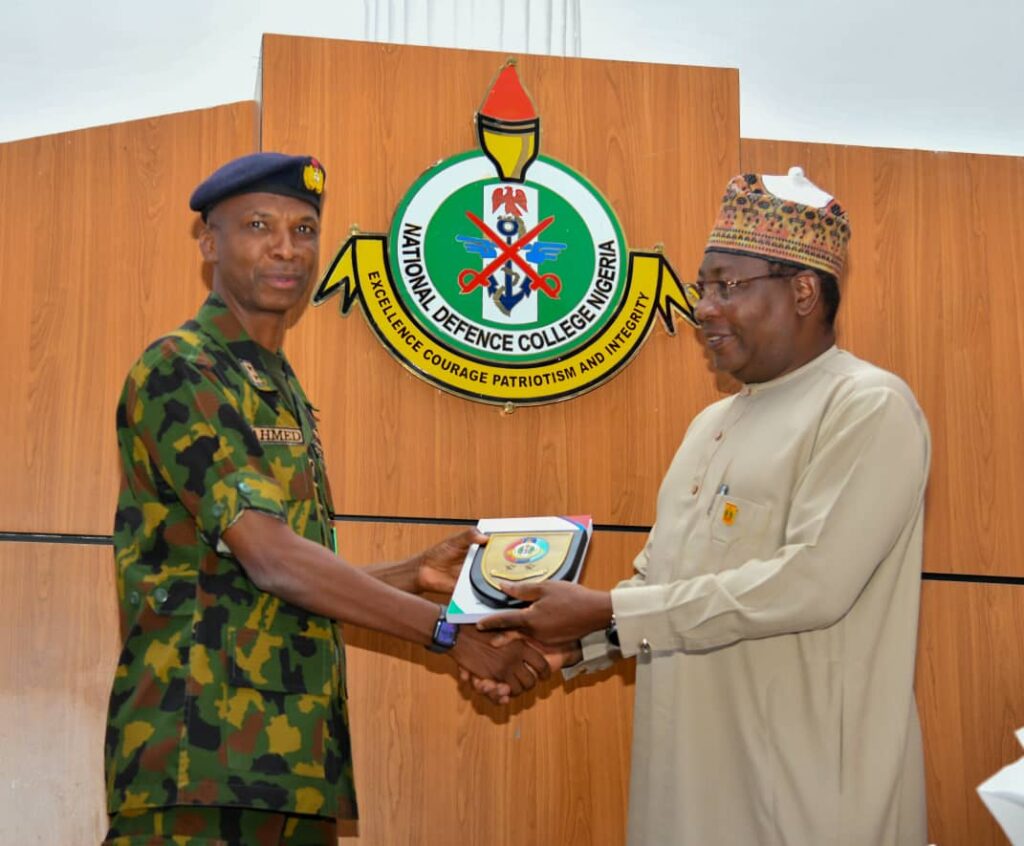
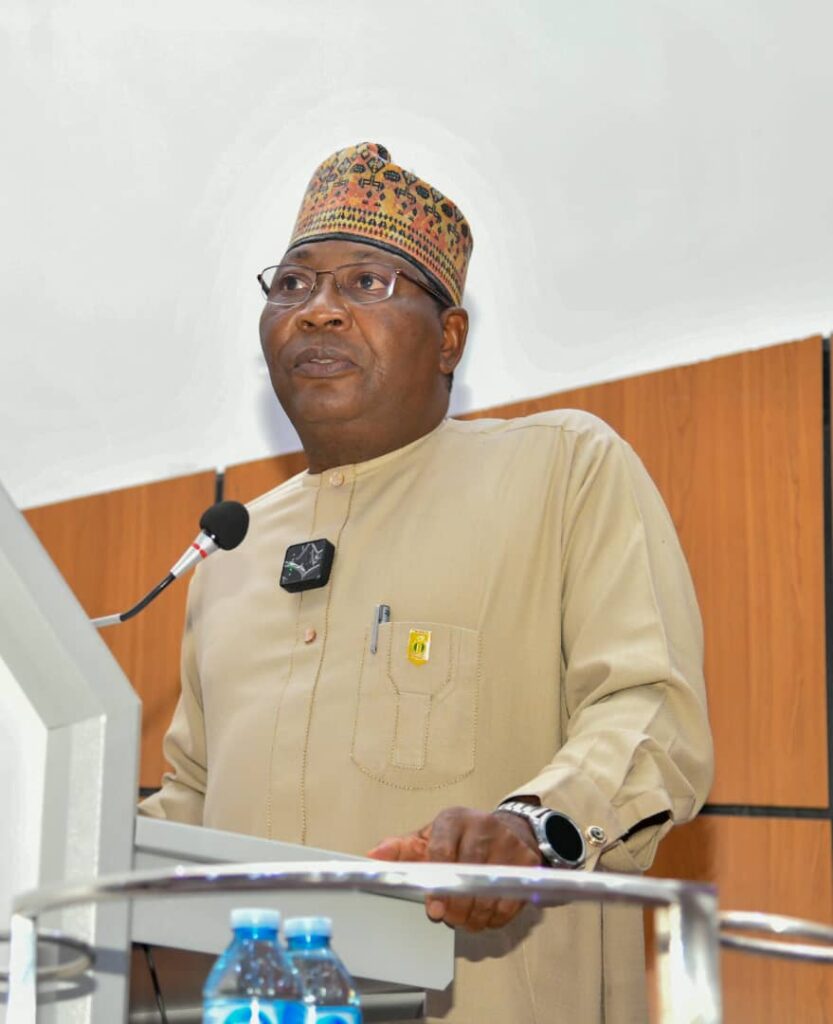
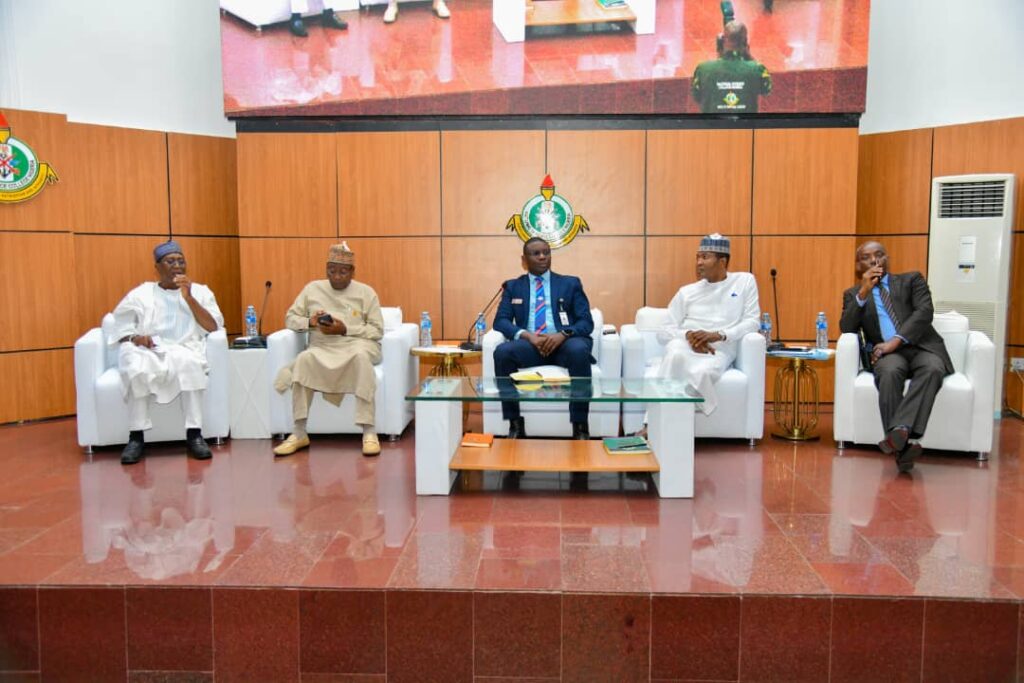
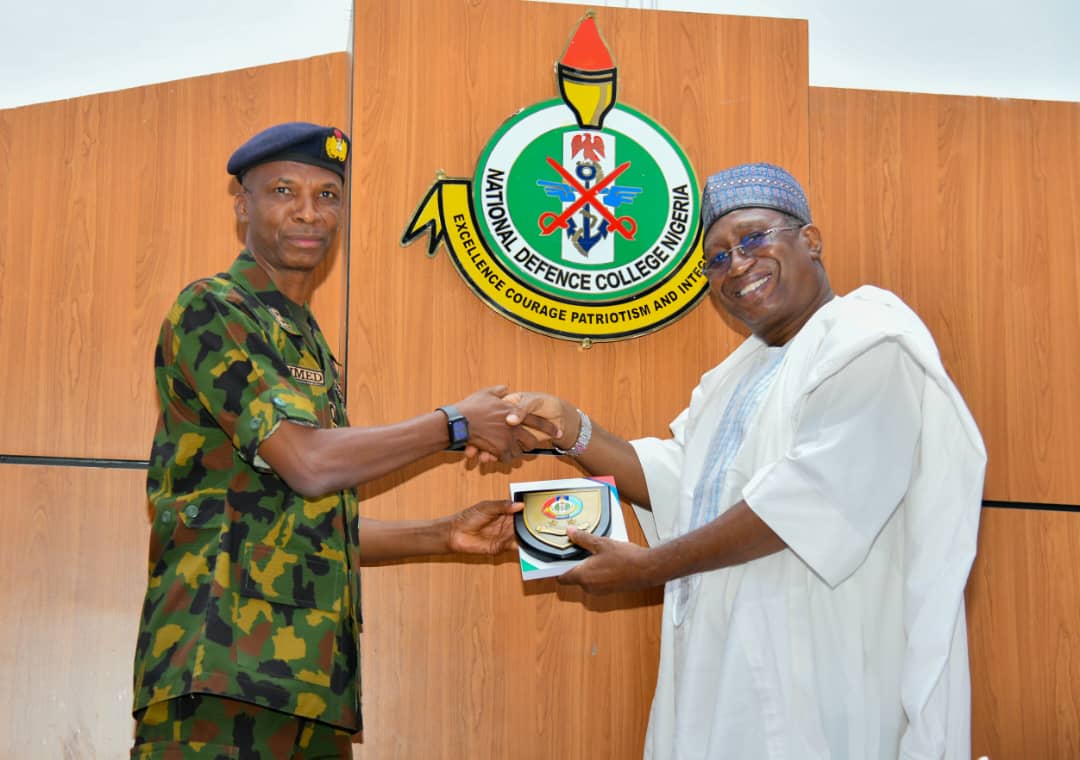
In a proactive move to strengthen the information leadership capabilities of senior military officers and defence executives, the National Defence College (NDC), hosted a high-level Media Seminar on Strategic Communication, Public Opinion, Public Speaking, and Crisis Management on Monday 6 July 2026.
The intensive seminar brought together top military strategists, public relations executives, and security stakeholders to address the complex challenges of managing institutional narratives within modern asymmetric and fast-moving information environments.
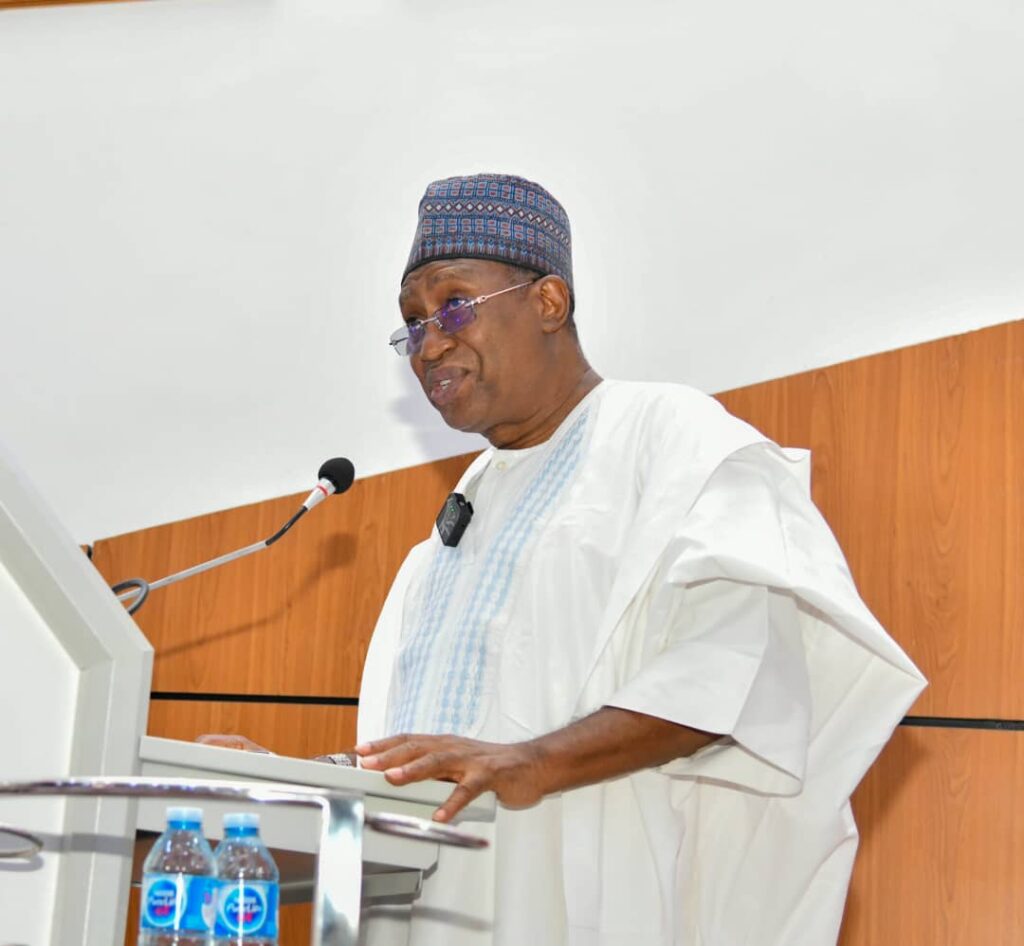
Opening the seminar, the College leadership emphasized that information operations have become a critical line of effort in contemporary national security architecture. In today’s digital age, winning the narrative is as vital as operational success on the ground, requiring absolute precision, transparency and agility from institutional spokespersons. Over the course of the seminar, participants engaged in rigorous modules designed to elevate the defence sector’s communication framework from reactive posture to proactive engagement. Key focal areas included:
- Strategic Communication Alignment. Integrating institutional objectives with public-facing messaging using a “whole-of-society” approach to foster inter-agency synergy and strengthen civilian-military relations.
- Public Opinion & Media Intelligence. Leveraging advanced social listening tools and sentiment analysis to counter disinformation and hostile propaganda before false narratives calcify into public perception.
- Podium Command & Media Relations. Developing sophisticated public speaking techniques, including advanced media interview tactics such as bridging and flagging, to maintain operational security (OPSEC) while preserving public trust.
- Crisis Management Command. Establishing streamlined Crisis Communication Cells capable of synchronizing with operational command structures to deliver rapid, vetted information during critical security incidents.
A major highlight of the seminar’s final was a series of realistic, high-pressure desktop simulations. Participants were subjected to mock press conferences and crisis scenarios, stress-testing their ability to command the podium, manage public panic, and maintain narrative control under severe journalistic scrutiny.
The seminar concluded with a consensus on the need to institutionalize these strategic communication frameworks across all services and security agencies, ensuring that the defence architecture speaks with a unified, authoritative voice to safeguard national stability and public confidence.