
NDC Partners with Nigerian Army Resource Centre on Strategic Leadership
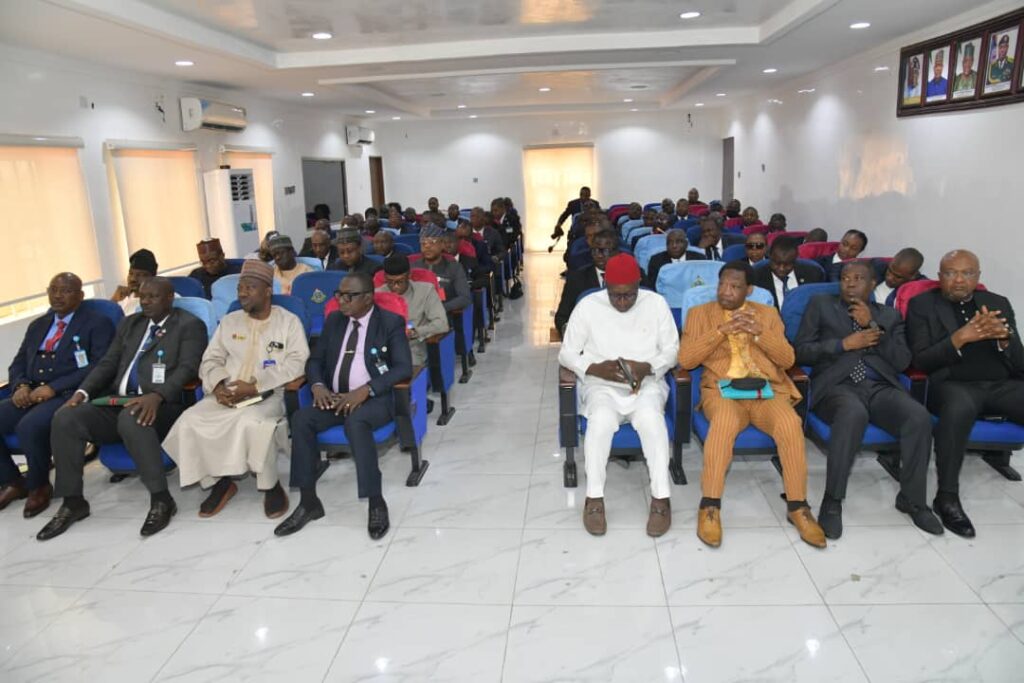
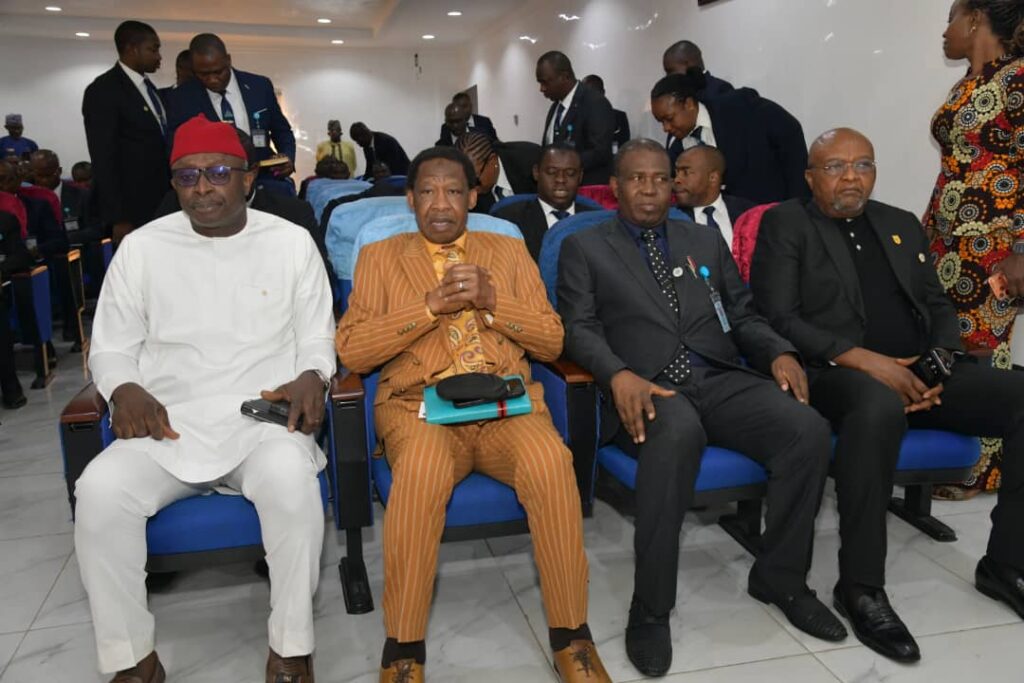
In a significant move to bolster military intellectual capacity, the National Defence College (NDC) Nigeria has reaffirmed its commitment to partnering with the Nigerian Army Resource Centre (NARC) to enhance strategic leadership and policy development. The commitment was highlighted today, January 30, 2026, during a working visit by participants of the NARC Leadership and Strategic Studies Course 4/25 to the NDC headquarters in Abuja.

Strengthening National Security Frameworks
Leading the delegation, Major General AA Tarufa Retired, emphasized that the visit was designed to broaden the participants’ grasp of national security and defence policy. A primary objective of the engagement is to foster collaboration in training and curriculum development, ensuring that NARC continues to meet its institutional goals.
“This collaboration provides a valuable platform for knowledge sharing and networking,” Major General Tarfa stated. “It offers participants a unique opportunity to understudy the College’s activities, which is essential for broadening their strategic horizons.”
General Tarfa further described NARC as a premier research institution dedicated to providing evidence-based results to defense bodies and key government ministries, directly supporting the execution of Federal Government policies.
Developing the Next Generation of Leaders
The current Strategic Leadership Course 4 consists of 44 Direct Regular Commission (DRC) officers. The partnership is expected to significantly deepen the operational and strategic knowledge of these officers, preparing them for higher responsibilities within the Nigerian Army.
A Unified Front for Excellence
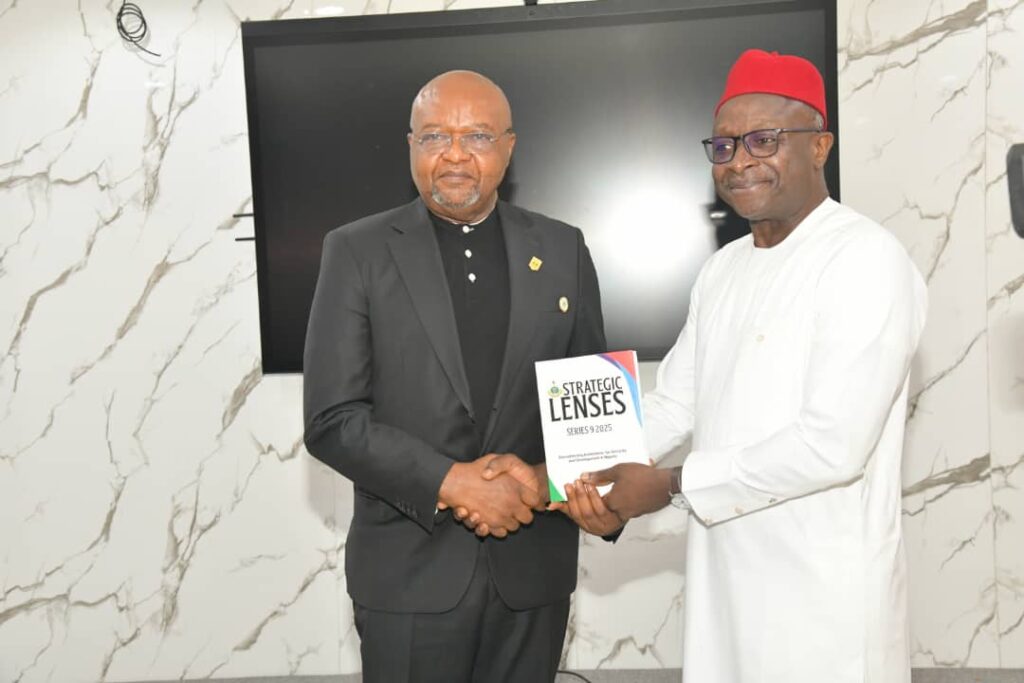
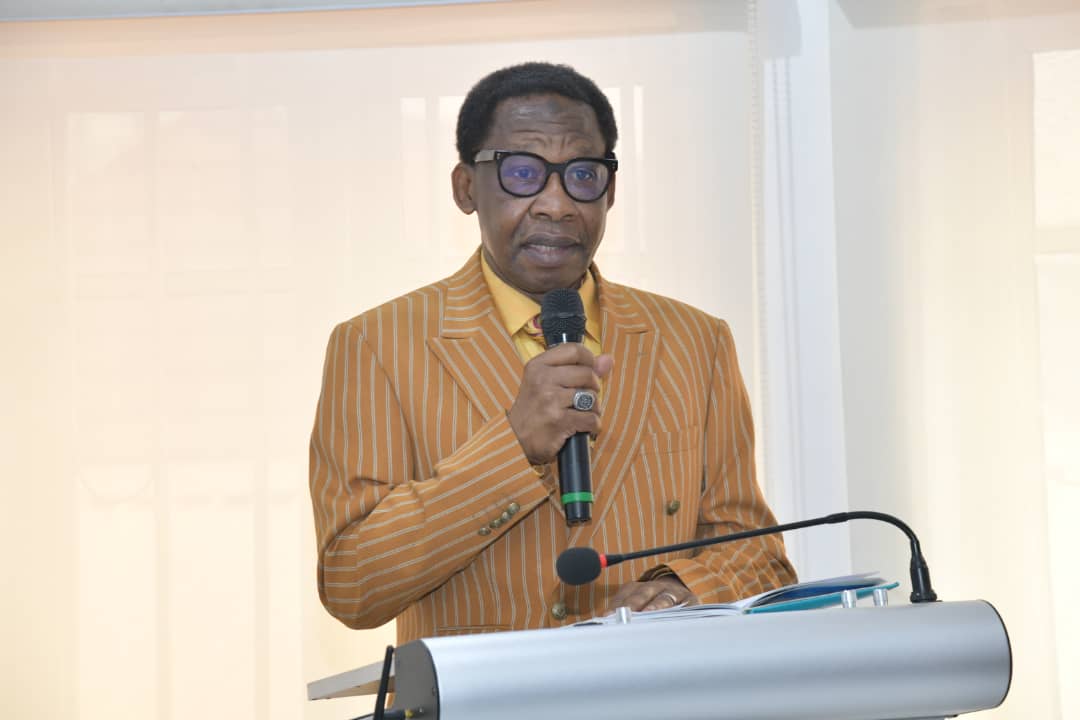
Welcoming the delegation on behalf of the Commandant, Rear Admiral Abdullahi Ahmed, the Deputy Commandant, Major General KO Ukandu, expressed the College’s readiness to support NARC. He assured the team that the NDC is fully prepared to collaborate on initiatives that enhance the learning environment and professional growth of the participants.
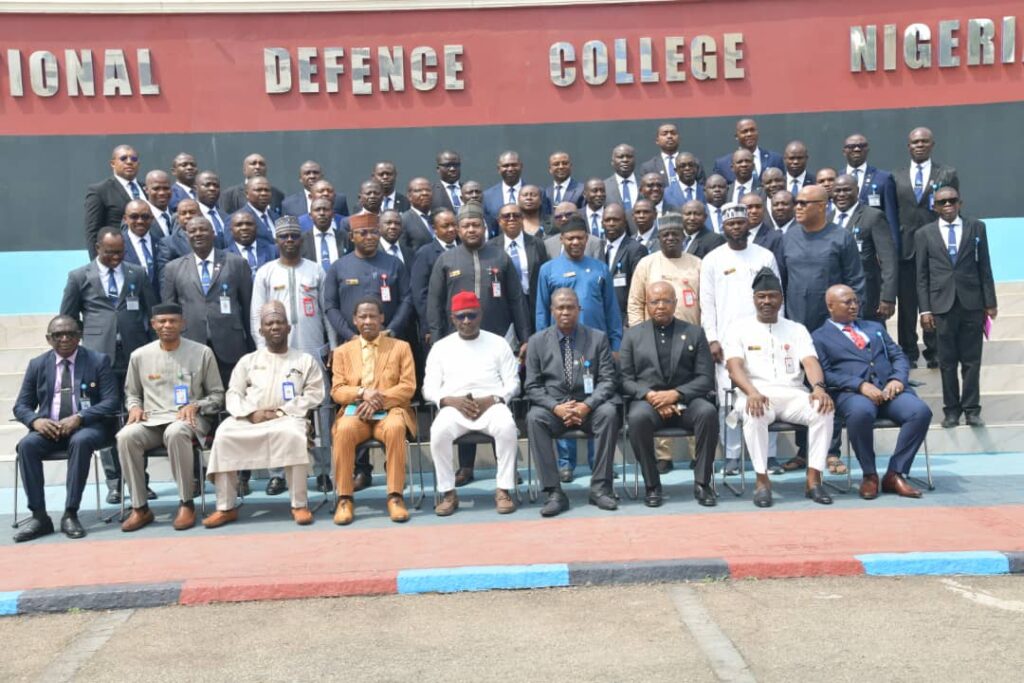
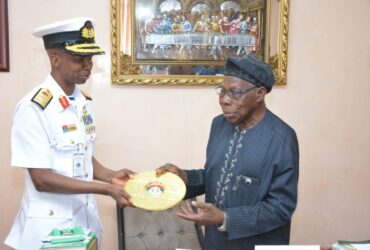
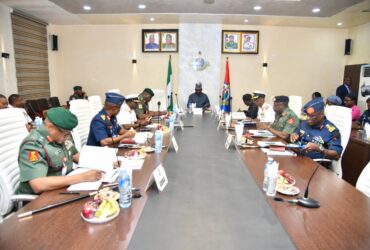
The visit concluded with an interactive technical session between faculty and participants, the formal signing of the visitors’ book and a group photograph to commemorate the growing inter-agency partnership.