

NDC Roundtable Examines US Strategic Repositioning and Global Security Implications
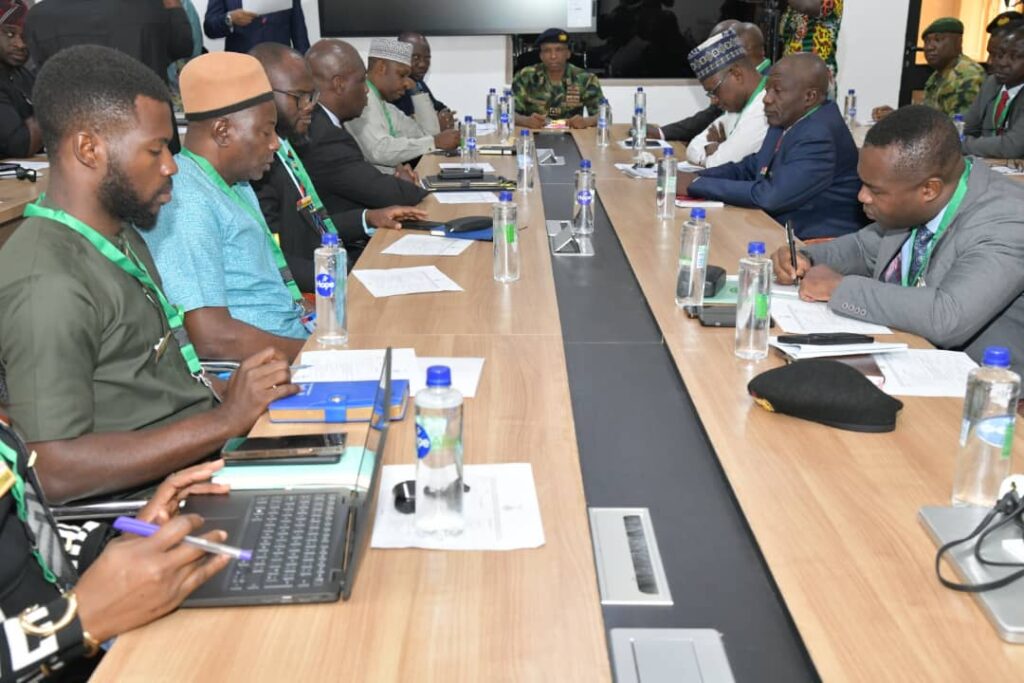
The National Defence College (NDC) Nigeria convened a high-level roundtable today to dissect the United States’ strategic repositioning and its far-reaching consequences for multilateral cooperation, security partnerships, and climate governance.
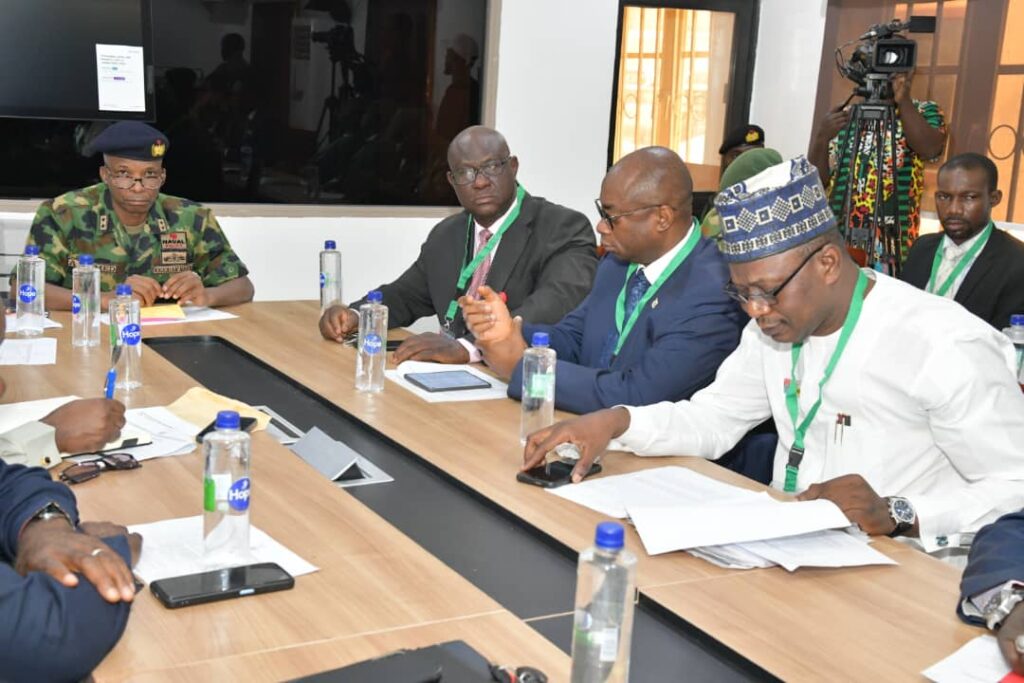
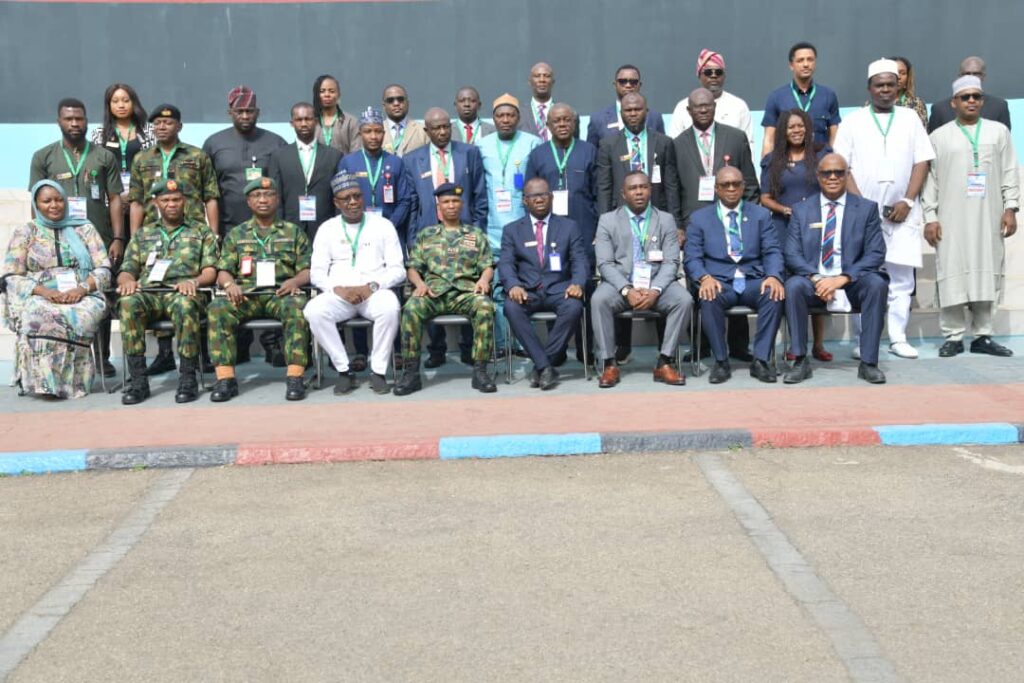
The forum, held at the Centre for Strategic Research and Studies (CSRS) on Wednesday, February 18, 2026, brought together senior military officers, diplomats, policy experts, and representatives from selected global institutions.
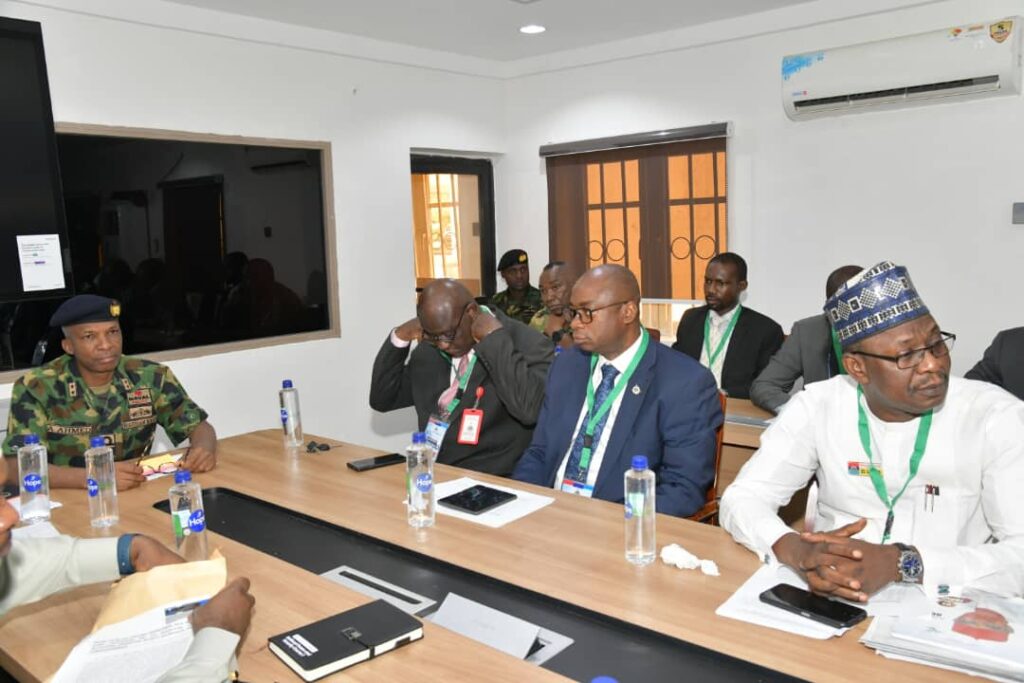
Examining a Recalibrated Global Order
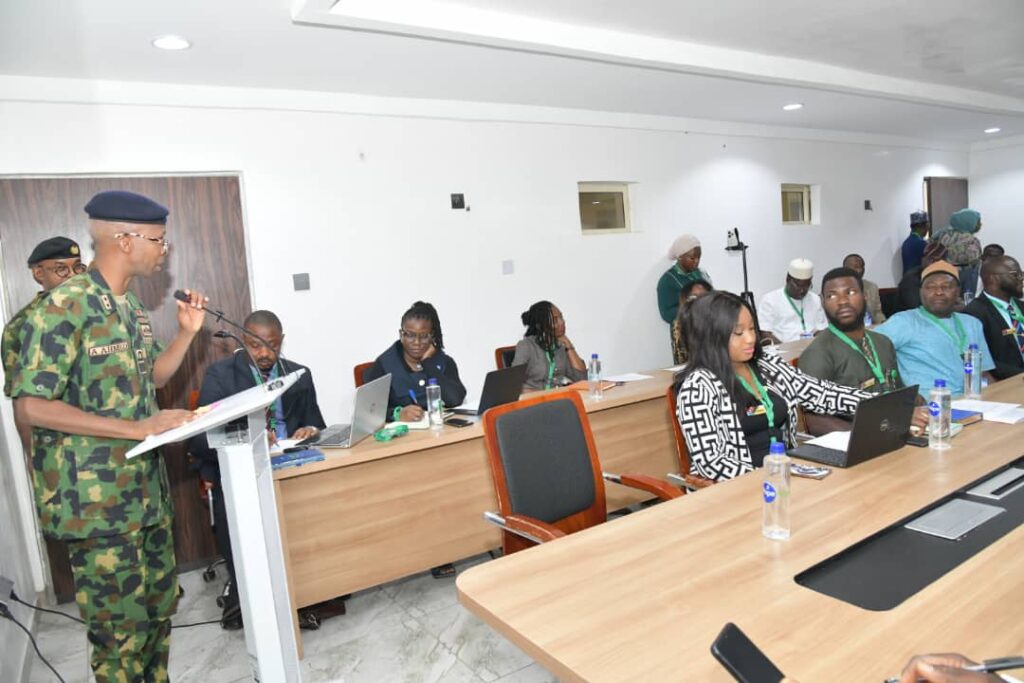
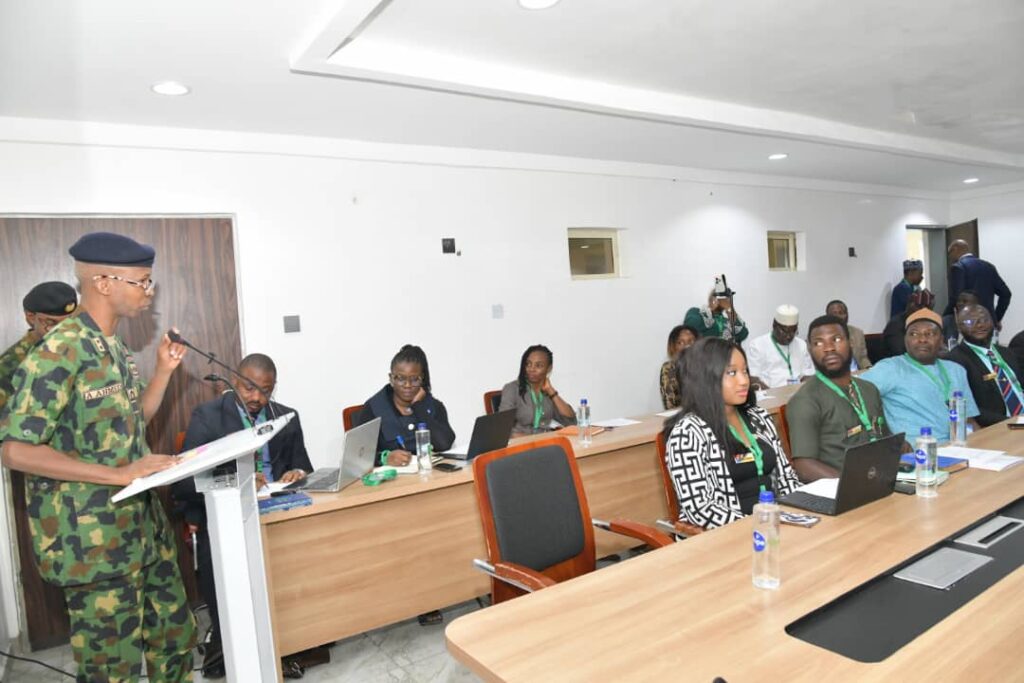
In his opening address, the Commandant of the NDC, Rear Admiral Abdullahi Ahmed, noted that the roundtable was prompted by the “changing contours of US engagement worldwide.” He cited shifts in US defence posture, a renewed emphasis on alliance systems, and intensifying competition within emerging geopolitical blocs as catalysts for the discussion.
Rear Admiral Ahmed emphasized that the US is currently navigating a complex balance between great-power competition and its long-standing commitments to counterterrorism, maritime security, and democratic governance—particularly across Africa and the Global South.
Implications for Multilateralism
A central theme of the discussion will be how America’s foreign policy recalibration might affect international frameworks. The Commandant warned that US repositioning could either “strengthen or strain” multilateral institutions, depending on the structure of future partnerships.
Key areas of focus included
Transnational Threats: Addressing terrorism, cybercrime, and irregular migration.
Structural Reforms: The necessity for burden-sharing and institutional reforms in collective security arrangements.
Climate Governance: Integrating environmental stability into the broader security dialogue.
Strengthening Nigeria-US Relations
The roundtable will specifically explored the implications for Africa’s security architecture, with a focus on the ongoing instability in the Sahel and the Gulf of Guinea. Rear Admiral Ahmed advocated for enhanced cooperation models centered on: Intelligence Sharing, Advanced Training and Capacity Building.
“Nigeria, as a leading regional actor, plays a pivotal role in shaping West Africa’s security response,” the Commandant stated. He underscored the necessity for African-led solutions supported by external partnerships that respect sovereignty and mutual interests.
Actionable Insights
Earlier, the Provost of the CSRS, Professor AO Ahmed, welcomed participants by highlighting the urgency of interrogating US policies that directly impact Nigeria’s national security. He expressed optimism that the deliberations would yield actionable insights to further solidify the bilateral relationship between Nigeria and the United States.
The event concludes as a timely reflection on the future of multilateral cooperation within an increasingly complex and fractured international system.